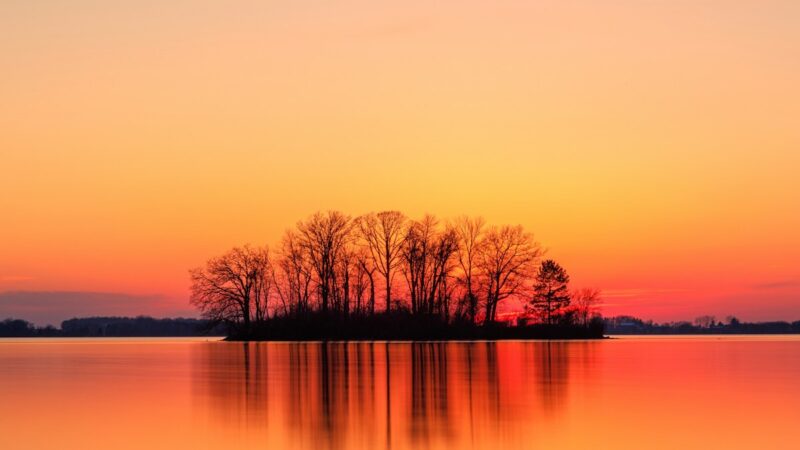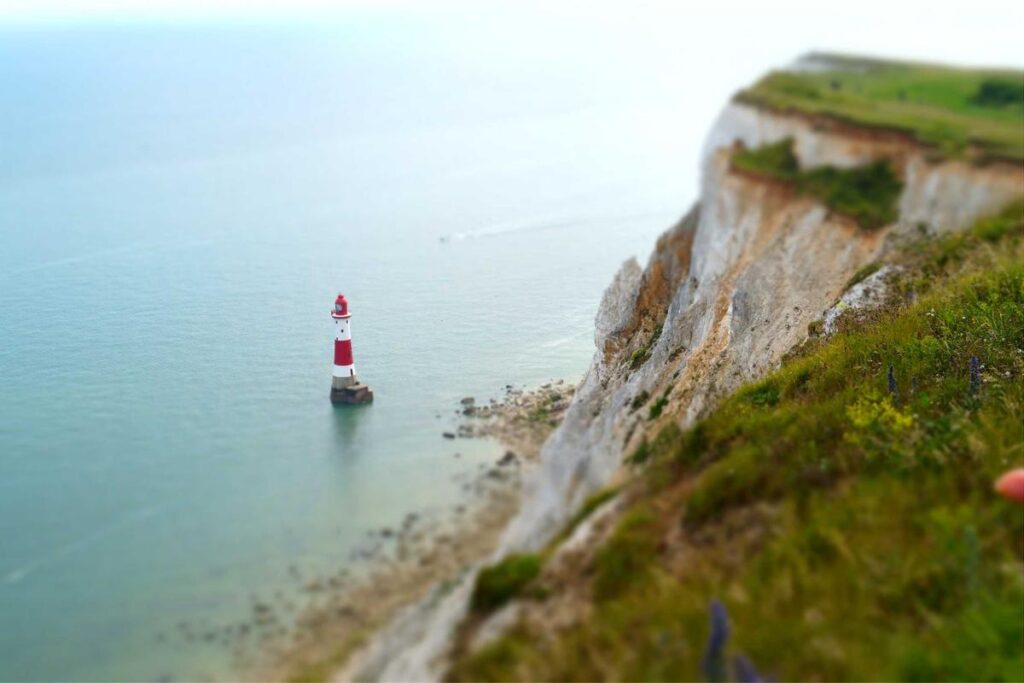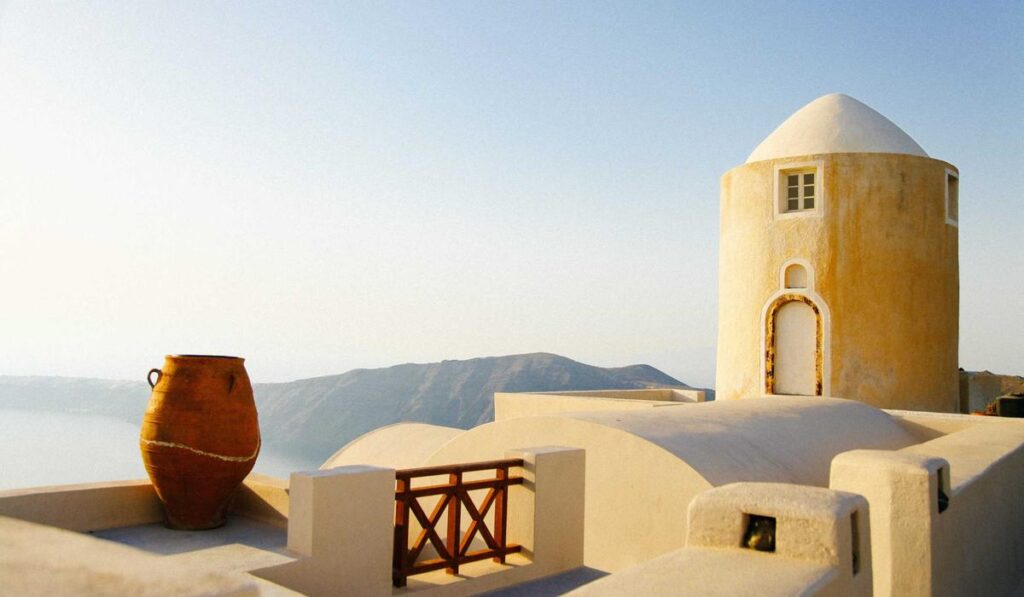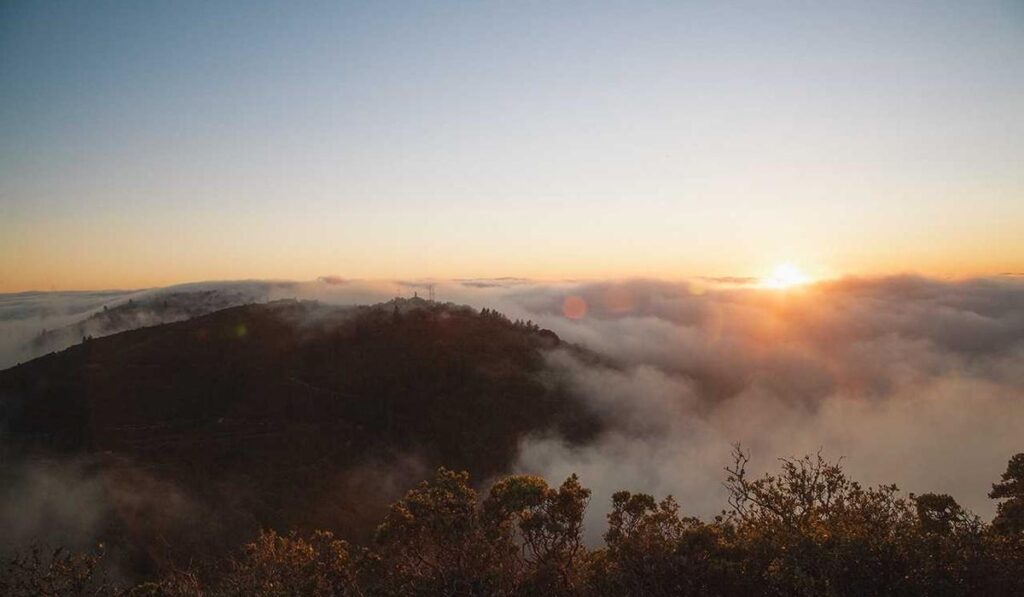











There’s a certain kind of traveller who waits all year for the monsoon, not to avoid it, but to chase it. India’s rains transform entire landscapes, turning dusty hillsides green almost overnight and filling rivers and waterfalls that stay dry the rest of the year. If you’re planning a monsoon trip in 2026, these destinations reward the extra planning it takes to travel during the wet season.
Coorg, Karnataka
Coorg’s coffee estates take on a completely different character during the monsoon, with mist settling over the plantations and waterfalls like Abbey Falls swelling to their most dramatic. It’s quieter than peak season too, since many travellers avoid the rains, which means better rates and far fewer crowds at the region’s homestays.
Munnar, Kerala
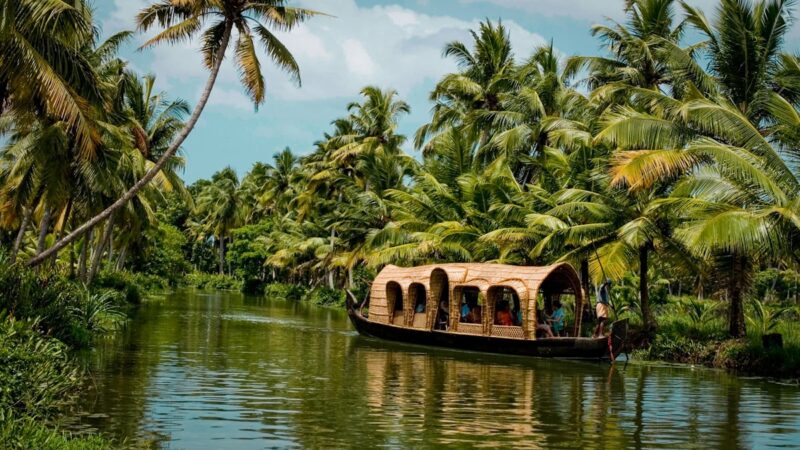
Kerala’s monsoon is practically a tourist season in its own right, and Munnar’s tea gardens are at their most photogenic once the rains set in. The clouds roll low over the hills, and the entire region takes on a cool, green intensity that’s hard to find anywhere else in the country during July and August.
Mahabaleshwar, Maharashtra
Popular with Mumbai and Pune weekend travellers, Mahabaleshwar’s viewpoints and waterfalls are genuinely transformed by the monsoon. Roads can get slippery and visibility drops on the foggiest days, but the trade-off is a lush, dramatic landscape that draws photographers and casual travellers alike.
Meghalaya’s Living Root Bridges
Few places in India embrace the monsoon quite like Meghalaya, one of the wettest regions on earth. The famous living root bridges around Cherrapunji and Mawlynnong are at their most impressive with rivers running high beneath them, though the trek to reach some of them requires sturdy footwear and a genuine appetite for adventure.
Valley of Flowers, Uttarakhand
This UNESCO World Heritage site is only accessible for a narrow window each year, largely coinciding with the monsoon, when the alpine meadows burst into bloom. It’s a trek best suited to experienced hikers given the terrain and unpredictable weather, but the reward is a landscape that simply doesn’t exist outside these few weeks.
Planning Around the Rains
Monsoon travel comes with real logistical considerations: landslide-prone roads in hill regions, unpredictable flight delays, and the need for proper rain gear. Checking regional advisories before setting out and building flexibility into your itinerary makes a significant difference. Resources like the Incredible India tourism portal are a useful starting point for regional travel advisories.
What to Pack for Monsoon Travel
A good monsoon packing list looks quite different from a standard trip. Quick-dry clothing, waterproof footwear with real grip, a proper rain jacket rather than a flimsy poncho, and dry bags for electronics all make a genuine difference. It’s also worth carrying basic medication for motion sickness and stomach upset, given how much monsoon travel involves winding hill roads and occasional local food experimentation.
Photography in the Rain
Monsoon season rewards patient photographers. The soft, diffused light on overcast days often produces far more atmospheric images than harsh midday sun, and the sheer intensity of the greenery makes for striking contrast shots. A simple rain cover for your camera or phone, combined with a bit of patience for breaks in the downpour, goes a long way toward capturing the season at its best.
Booking Considerations
Because monsoon remains an off-peak season in many of these destinations, accommodation rates tend to be noticeably lower, and availability is rarely an issue even for popular homestays. That said, it’s worth confirming cancellation policies in advance, since sudden heavy rainfall can occasionally force last-minute itinerary changes that a flexible booking makes far less stressful to navigate.
Done right, a monsoon trip can be one of the most memorable ways to experience India’s landscapes at their most alive. Just pack accordingly, plan flexibly, and let the rain set the pace.
Respecting Local Communities and Ecosystems
Monsoon-season destinations, particularly fragile ones like the Valley of Flowers or Meghalaya’s root bridge trails, depend heavily on responsible tourism to stay accessible for future travellers. Sticking to marked trails, carrying out any waste, and supporting local guides and homestays rather than large outside operators all go a long way toward keeping these destinations sustainable for the communities who call them home year-round.
Making It a Yearly Tradition
For travellers who find they genuinely enjoy the slower, greener rhythm of monsoon travel, many of these destinations reward repeat visits, since the intensity and timing of the rains shift slightly each year, offering a subtly different experience even at a familiar location. It’s one of the few kinds of travel where returning to the same place can feel just as fresh as visiting somewhere entirely new.
Budgeting for a Monsoon Trip
Beyond the lower accommodation rates typical of off-peak travel, monsoon trips often come with genuine savings on flights and transport too, since demand drops noticeably compared to the busier winter and summer travel seasons. For budget-conscious travellers willing to work around occasional weather disruptions, this can make monsoon season one of the most cost-effective windows to explore destinations that are otherwise crowded and expensive most of the year.
Combining More Than One Destination
For travellers with two weeks or more, combining a coastal monsoon destination with a hill-station leg makes for a genuinely varied trip, dramatic rain-soaked coastlines followed by cool, misty mountain air, rather than committing an entire holiday to a single landscape type.
Packing for the Season
Monsoon travel rewards a genuinely different packing list than a standard trip, quick-dry clothing, proper waterproof footwear with real grip, and dry bags for electronics all make a noticeable difference. Skipping these basics is the most common reason a monsoon trip ends up feeling miserable rather than memorable.
Because monsoon remains an off-peak season in many of these destinations, accommodation rates tend to run noticeably lower, with availability rarely an issue even at popular homestays that are fully booked out during the winter high season.
Monsoon-season destinations depend heavily on responsible tourism to stay accessible for future travellers, sticking to marked trails and supporting local guides rather than large outside operators goes a long way toward keeping these places sustainable.