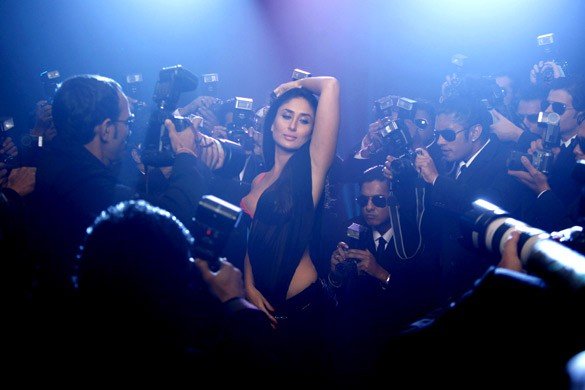














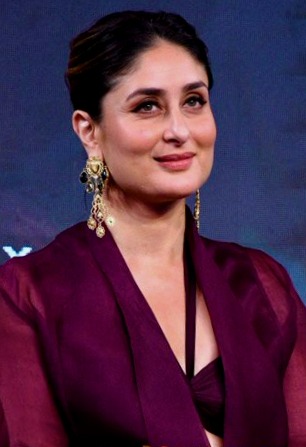
In an industry notorious for its harsh, often unforgiving treatment of women as they age, Kareena Kapoor Khan stands as something close to an anomaly. At 45, more than two decades into a career that began when she was barely out of her teens, she remains not a nostalgic figure trading on past glory but an active, commercially relevant, critically respected force whose every project still generates genuine industry attention.
A Career Built in Distinct Chapters
What distinguishes Kareena’s longevity from many of her contemporaries is the way her career has unfolded in clearly defined, deliberately different chapters rather than a single continuous trajectory. Her early career, anchored by the massive success of Kabhi Khushi Kabhie Gham in 2001, established her within the familiar Bollywood template of the glamorous leading lady in large ensemble family dramas.
Her portrayal of Poo in that film became so culturally embedded that the character’s name entered everyday Indian vocabulary as shorthand for a particular brand of fabulous, unapologetic confidence — a level of cultural penetration that few film characters, regardless of box office success, ever achieve.
The Jab We Met Era
If K3G established Kareena as a star, Jab We Met in 2007 established her as a genuine actress capable of carrying a film on pure charisma and comic timing. Her performance as Geet, the impulsive, relentlessly chatty Punjabi girl who unwittingly transforms a heartbroken stranger’s life, remains one of the most beloved romantic comedy performances in Hindi cinema history.
The film’s enduring popularity — it continues to be rediscovered by new generations of viewers on streaming platforms nearly two decades later — speaks to how thoroughly Kareena inhabited the role. Geet wasn’t simply a character Kareena played; it became, for many audiences, the definitive cinematic expression of a certain kind of fearless, life-embracing femininity.
Navigating the Industry’s Toughest Years for Actresses
Kareena’s career trajectory through her thirties — typically the period where Bollywood actresses historically saw their lead-role opportunities sharply diminish in favour of younger talent — is perhaps the most instructive part of her story. Rather than accepting a quiet transition into supporting or maternal roles, Kareena continued securing substantial lead parts in major productions, a feat that required both continued commercial relevance and active negotiation against deeply entrenched industry ageism.
Films like Udta Punjab, in which she played a doctor confronting Punjab’s drug crisis, demonstrated her willingness to take on serious, socially conscious material that prioritised performance over glamour, broadening industry and audience perception of what a Kareena Kapoor Khan role could look like.
The OTT Reinvention
Perhaps the most significant recent chapter in Kareena’s career has been her embrace of streaming platforms, particularly through acclaimed thriller roles that revealed a grittier, more psychologically complex side of her acting range than her earlier glamour-forward image had typically allowed audiences to see. Critics who had sometimes underestimated her range as primarily a charismatic screen presence rather than a serious dramatic actress found themselves revising those assessments.
This pivot mirrors a broader industry shift, where streaming platforms have given established stars space to take creative risks that traditional theatrical releases, with their immense commercial pressure, often discourage. Kareena’s success in this space has positioned her as something of a template for how mid-career Bollywood stars can extend their relevance through format diversification rather than simply continuing to chase the same kind of roles that built their initial fame.
Fashion Icon Status
Beyond her acting career, Kareena’s influence on Indian fashion has been substantial and sustained. Her style choices, whether at red carpet events, airport appearances, or casual public sightings, are consistently analysed, discussed, and replicated across Indian fashion media and social platforms. Few Bollywood actresses have maintained this level of fashion relevance across multiple decades, as trends shift dramatically while Kareena’s instinct for what works continues to resonate.
Her fashion influence extends into genuine commercial territory as well, with brand partnerships spanning luxury fashion houses to mass-market apparel, reflecting an unusually broad appeal across different consumer segments rarely achieved by a single celebrity endorser.
Candour as Brand
One of the more distinctive elements of Kareena’s public persona, particularly in recent years, has been her willingness to speak candidly about subjects many celebrities of her stature typically avoid — the physical and professional challenges of pregnancy and motherhood within an industry not always accommodating of working mothers, the realities of ageing in a youth-obsessed business, and her own insecurities and ambitions in remarkably unguarded terms.
This candour has resonated particularly strongly with younger audiences who increasingly value authenticity over the curated, distant celebrity persona that defined earlier eras of Bollywood stardom. As a mother of two sons with husband Saif Ali Khan, Kareena has become an unusually relatable figure for millions of Indian women navigating similar tensions between career ambition and family responsibility.
What Sustained Stardom Actually Requires
Kareena’s continued relevance at 45 offers a useful case study in what genuine career longevity in Bollywood actually demands — not simply talent, though that remains a prerequisite, but a willingness to continually adapt, take calculated risks on unconventional material, and resist the industry’s pressure to either fade quietly or accept diminished, narrowly defined roles as the years pass.
Conclusion
Kareena Kapoor Khan’s career, viewed in its entirety, represents one of contemporary Bollywood’s most compelling case studies in sustainable stardom. From the unforgettable glamour of Poo to the emotional authenticity of Geet to her recent gritty streaming performances, each chapter has revealed new dimensions of her talent while consistently maintaining the commercial and cultural relevance that so many of her contemporaries have struggled to sustain. At 45, with no signs of slowing down, Kareena Kapoor Khan remains exactly what the title of this article suggests — genuinely, durably, the undisputed queen of Bollywood.
A Career That Redefined the Bollywood Heroine
Kareena’s career arc, from a debutante in a Bhansali film to a bona fide industry veteran still headlining major releases past 45, mirrors a broader shift in how Bollywood treats its leading women’s longevity. Her marriage to actor Saif Ali Khan brought its own media attention, but it’s her consistent, deliberate choice of roles across two and a half decades that’s kept her genuinely relevant rather than nostalgic.