












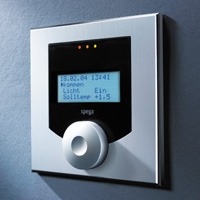

Smart home technology spent years feeling like an expensive novelty, more gimmick than genuine convenience. That’s changed considerably by 2026, with prices dropping and interoperability improving enough that a handful of devices can meaningfully simplify everyday life in an Indian household. Here are five worth considering.

1. A Universal Smart Home Hub
Modern smart home hubs have become dramatically easier to set up compared to just a few years ago, with most major brands now supporting a shared connectivity standard. This finally allows devices from different manufacturers to actually talk to each other, rather than requiring a separate app for every single gadget in the house.
2. A Reliable Portable Power Station
Given how common power outages remain across large parts of India, a compact power station has become one of the more practical smart home investments available. Beyond outages, they’re equally useful for remote work setups, festivals, and weekend getaways where consistent power access can’t be guaranteed.
3. Noise-Cancelling Earbuds
The latest generation of true wireless earbuds has closed much of the performance gap with over-ear headphones on noise cancellation, all while remaining small enough to carry everywhere. For anyone commuting through noisy Indian traffic or working from a shared household space, this alone can meaningfully improve daily focus.

4. A Smart Security Camera
Affordable smart cameras with mobile alerts and cloud storage have become significantly more accessible in 2026, offering genuine peace of mind for households, particularly those with children or elderly family members at home during the day while others are at work.
5. A Robot Vacuum with Mapping
Once considered a luxury purchase, robot vacuums with proper room-mapping capability have dropped enough in price to become a realistic option for many Indian households, particularly in cities where dust accumulation is a near-daily concern.
Buying Smart, Not Just Buying New
Before purchasing any smart home gadget, it’s worth checking independent reviews rather than relying purely on marketing claims, and confirming that a device will actually work with what you already own. The newest release on the market isn’t automatically the best value, and older models often deliver very similar day-to-day performance at a noticeably lower price.
Setting Up Your First Smart Device
For households new to smart home tech, starting with a single, genuinely useful device, rather than trying to automate an entire home at once, tends to work far better. A power station or a security camera delivers immediate, obvious value with minimal setup, making it a natural entry point before expanding into a fuller smart home ecosystem.
Power and Connectivity Considerations
Many smart home devices depend on a stable Wi-Fi connection to function properly, which can be a genuine limitation in homes with inconsistent internet service. Investing in a decent router or mesh Wi-Fi system alongside any smart device purchase is often the unglamorous but necessary first step to actually getting reliable performance out of these gadgets.
Long-Term Value Versus Novelty
It’s worth being honest about which smart gadgets solve a genuine daily problem versus which ones are simply fun to show off to guests. Devices tied to safety, like security cameras, or genuine daily convenience, like a reliable power backup, tend to earn their place in a household long after the novelty of a talking speaker or colour-changing light bulb has worn off.
For hands-on comparisons and pricing across brands, tech review platforms like 91mobiles are a solid starting point before making a purchase decision.
Building Toward a Fully Connected Home
For households that do want to eventually build out a more complete smart home setup, starting with devices that share a common connectivity standard from the outset saves considerable hassle later. Retrofitting incompatible devices into a single ecosystem after the fact is far more frustrating than planning for interoperability from the very first purchase.
Keeping Costs Under Control
Smart home spending can creep up quickly if approached without a plan, since it’s easy to keep adding “just one more” device. Setting a rough budget in advance and prioritising devices that solve a genuine daily problem, rather than ones that simply seem interesting in the moment, keeps the overall investment proportional to the actual convenience gained.
Getting Started This Weekend
For anyone ready to make a start, picking just one gadget from this list, ideally whichever solves a problem you actually notice on a regular basis, and getting it properly set up before adding anything else is a far more realistic goal than trying to smart-ify an entire home in a single weekend. A slow, deliberate rollout tends to result in a setup that actually gets used, rather than an expensive collection of devices sitting in a drawer.
Starting Small Rather Than All at Once
Rather than trying to smart-ify an entire home in one weekend, picking a single gadget that solves a genuinely recurring problem, a power backup or a security camera tend to deliver the most immediately obvious value, then expanding gradually tends to produce a setup that actually gets used long-term.
Connectivity Comes First
Many smart home devices depend on a stable Wi-Fi connection to function properly, a genuine limitation in homes with inconsistent internet service. Investing in a decent router or mesh system alongside any smart device purchase is often the unglamorous but necessary first step to actually getting reliable performance.
It’s worth being honest about which gadgets solve a genuine daily problem versus which are simply fun to show off to guests, devices tied to safety or genuine convenience tend to earn a lasting place in a household long after the novelty of a talking speaker wears off.
Checking independent reviews rather than relying purely on marketing claims remains essential, since the newest release on the market isn’t automatically the best value for most households.
For households wanting to eventually build a fuller smart home setup, starting with devices that share a common connectivity standard from the outset saves considerable hassle compared to retrofitting incompatible gadgets later.