













Few cricketing calendars swing as wildly as Team India’s has in 2026. A triumphant home T20 World Cup campaign gave way, just months later, to a chastening tour of the British Isles that included a result almost nobody saw coming. It’s been a summer that has tested the squad’s depth, its captaincy, and its ability to bounce back quickly across formats.

Defending the T20 World Cup Crown
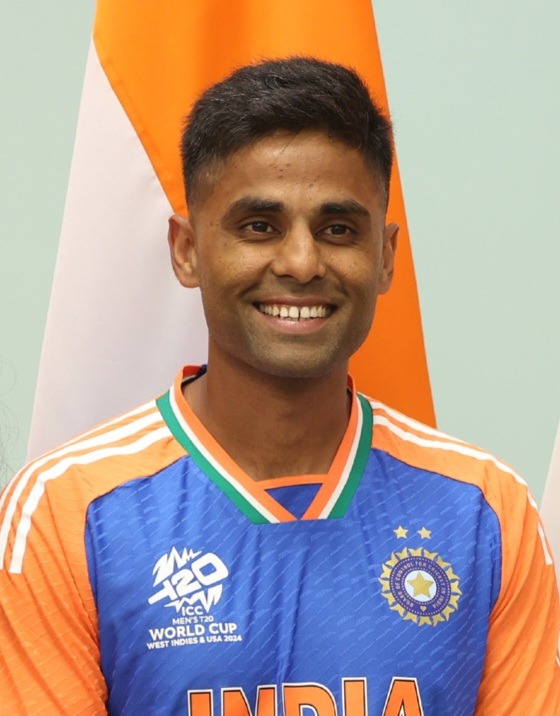
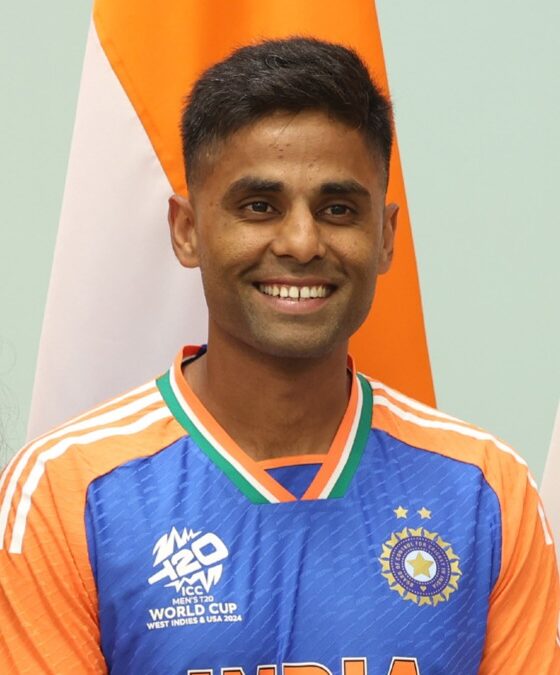
The year began with India hosting the ICC Men’s T20 World Cup on home soil in February and March, defending the title the team had lifted in 2024 under Rohit Sharma. Under Suryakumar Yadav’s captaincy this time around, the side successfully retained the trophy, a rare feat in the format and one that cemented India’s status as the team to beat in white-ball cricket heading into the rest of the year.
A Dominant June Against Afghanistan
Momentum carried through the middle of the year, with India thumping Afghanistan by an innings and 300 runs in a one-off Test in Mullanpur, followed by a commanding 3-0 sweep in the ODI series. It looked, at that point, like a team firing on all cylinders across every format.
The Ireland Shock
Then came Belfast. A two-match T20I series against Ireland, widely expected to be a routine assignment, instead ended in a 2-0 defeat, one of the more surprising results of India’s cricketing year. Coming immediately after the Afghanistan sweep, the loss was a reminder that even a squad this deep can be undone by unfamiliar conditions and an opponent playing with nothing to lose.

The England Tour: Five T20Is and Three ODIs
India’s white-ball tour of the United Kingdom continued straight into July, with five T20Is played across Chester-le-Street, Manchester, Nottingham, Bristol, and Southampton, followed by three ODIs at Edgbaston, Cardiff, and Lord’s. Coming off the Ireland result, the England leg carried extra weight as a chance to reset the narrative before the year’s remaining assignments.
Zimbabwe and Beyond
With the UK leg wrapped up, India’s next stop is a three-match T20I series in Zimbabwe, played entirely at the Harare Sports Club from July 23 to 27. It’s a lower-profile assignment on paper, but after the Ireland result, there will be plenty of scrutiny on team selection and form heading into it.
A Year Still Being Written
What the Ireland Result Actually Revealed
Beyond the scoreline, the Ireland series raised legitimate questions about squad rotation and how India manages form across a packed white-ball calendar. Playing a lower-ranked opponent immediately after a dominant series can sometimes lead to complacency in intensity, even when the players on the field remain fully committed, and results like this one are often used internally as a wake-up call rather than a genuine indicator of long-term form.
The Broadcast and Fan Experience
This year’s packed international calendar has also been notable for how it’s been consumed by fans, with expanded streaming access on JioHotstar and dedicated regional-language commentary feeds making it easier than ever for Indian audiences to follow every match across multiple simultaneous tours. That level of access has arguably amplified both the highs of the World Cup win and the frustration around the Ireland result.
Captaincy Under the Microscope
Suryakumar Yadav’s captaincy has understandably drawn extra scrutiny following the Ireland loss, even with a successfully defended World Cup title on his record. Successive series wins tend to buy captains goodwill, but a surprise defeat, even in a shorter format against a lower-ranked side, is often enough to reopen debate about tactical decisions and squad rotation policy heading into the busier stretch of the year.
Between a defended World Cup title, a dominant series against Afghanistan, and a surprise stumble in Ireland, India’s 2026 cricketing summer has been a genuine mixed bag. With more bilateral series and the Asian Games still to come later in the year, there’s plenty of time left for the story to shift again. For ball-by-ball updates and the latest squad news, ESPNcricinfo remains the most comprehensive source.
Fan Reaction and Social Media Fallout
As with most surprise results involving Team India, the Ireland loss triggered an intense wave of reaction across social media, ranging from genuine tactical criticism to more exaggerated, short-lived outrage. That immediate, often disproportionate reaction has become a fairly predictable pattern following any Indian defeat, regardless of the format or opponent’s ranking, and it rarely reflects how the broader cricketing community assesses the result once the initial noise settles.
Lessons for the Rest of the Year
If there’s a practical takeaway from India’s summer, it’s that squad depth and a defended World Cup title don’t automatically guarantee smooth results across every remaining assignment. The team’s response over the following months, particularly how selectors handle combinations after the Ireland setback, will likely say more about the squad’s actual strength than either the World Cup win or the Ireland loss taken in isolation.
The Bigger Picture for Indian Cricket
Stepping back, 2026 has reinforced something Indian cricket followers have understood for a while: with three formats and an unrelenting international calendar, no single result, good or bad, tends to define a team’s year anymore. It’s the accumulation of performances across an exhausting schedule that ultimately shapes how a season is remembered, and by that measure, India’s summer is still very much a work in progress.
How the Team Responded After Ireland
Selectors used the following assignments specifically to test whether the Ireland result reflected a genuine dip in form or simply an off week against a side playing with nothing to lose. Early signs from the squad’s subsequent performances suggested the latter, though the debate over rotation policy that the loss triggered hasn’t fully gone away.
What the Numbers Actually Show
Strip away the emotional narrative around the Ireland result, and the underlying numbers tell a more nuanced story, a squad still ranked among the world’s best across formats, undone on one particular day by unfamiliar conditions rather than any deeper structural problem. That distinction matters for how selectors approach the rest of the year.