










Goa in June is one of Indian domestic tourism’s most genuinely misunderstood propositions. The conventional wisdom — reinforced by every Goa tourism marketing campaign ever produced — presents the destination as synonymous with sunshine, beach shacks, and the specific social energy of peak season. Against this mental image, June’s monsoon Goa sounds like a category error: a beach destination without functional beaches, a party destination largely without parties, a place that has temporarily become something that its reputation says it isn’t.

The conventional wisdom is not wrong, exactly. The beaches are rougher, the shacks are closed, the famous flea markets are suspended, and the specific social circus of peak season Goa — which many visitors actually find overwhelming rather than appealing — is essentially absent. But what the conventional wisdom misses entirely is that June’s Goa, liberated from its own clichés, reveals a destination that is, in several important respects, more interesting than the version its summer marketing presents.
What Actually Closes in June
The honest inventory of June closures matters because the gap between expectation and reality is where most monsoon Goa disappointments originate. Beach shacks — the open-air bamboo restaurants that line Goa’s famous beaches and that generate much of the state’s most photographed beach culture — close between June and September under Goa’s Coastal Zone Regulation rules, which restrict beach structures during the months when storm damage risk is highest. Swimming is officially prohibited at most Goa beaches during monsoon due to the genuinely dangerous rip currents and rough surf that the Arabian Sea’s monsoon swells produce.
Most water sports — parasailing, jet skiing, banana boat rides — suspend operations for the season. The iconic Anjuna Flea Market and most of the seasonal markets that characterise North Goa’s tourist economy are dormant. Several hotels, particularly smaller boutique properties that cater exclusively to peak season visitors, close entirely rather than operating at monsoon occupancy levels that don’t justify maintaining full staff and services.
What Remains Open and What Gets Better
Restaurants — including many of Goa’s finest — remain operational throughout the monsoon, and several local chefs describe June through September as the period when they most enjoy their work, freed from the pressures of peak season service volumes to cook more carefully and experiment more freely. Spas, yoga studios, and wellness centres not only stay open but frequently report their best availability of the year during monsoon, as the rain provides the kind of retreat atmosphere that is impossible to manufacture artificially.
Goa’s churches, monuments, and inland cultural sites — the Basilica of Bom Jesus and Se Cathedral in Old Goa, the Reis Magos Fort above the Mandovi River, the Chandor and Quepem heritage mansions in South Goa — are accessible year-round and are arguably best visited in the monsoon when they are emptier, cooler, and when the surrounding landscape’s intensified green provides a more atmospheric setting than the dry season’s bleached vegetation.
Dudhsagar Falls, the spectacular four-tiered waterfall on the Goa-Karnataka border that is genuinely one of India’s most impressive natural sights, reaches its full dramatic potential only during and immediately after the monsoon. The railway-side viewing position from which the falls are most photographically spectacular produces images during the monsoon that the dry season’s reduced flow simply cannot match. Access requires a jeep transfer from the trail starting point — the direct railway access that was historically possible has been restricted — but the journey is straightforward and well-served by local operators from Mollem and Collem.
The Price Advantage — The Numbers Are Significant
The accommodation price differential between peak season (December through February) and monsoon (June through September) in Goa is not a marginal discount but a structural market transformation. Properties that charge Rs 12,000 to Rs 20,000 per night in December routinely drop to Rs 3,000 to Rs 6,000 for the same room in June — a reduction of 60 to 75 percent that makes properties categorically unaffordable in peak season genuinely accessible during the monsoon.
This price difference extends beyond accommodation to every component of the Goa travel budget. Taxi fares are lower, restaurant prices soften, and the absence of competition for every desirable experience means that negotiation — rarely productive in peak Goa — becomes genuinely possible. Travellers who visit both peak and monsoon Goa consistently report that the monsoon version delivers better value by a margin so large that it changes the fundamental calculus of the trip.
Spice Plantation Tours — Monsoon’s Hidden Highlight
Goa’s interior — the part that beach tourism largely ignores and that most peak season visitors never encounter — reaches its most beautiful during the monsoon. The state’s working spice plantations, found primarily in the interior talukas of Ponda and Sanguem, offer guided tours that combine genuine agricultural education with the visual drama of lush tropical vegetation at its most intense green.
The Sahakari Spice Farm in Ponda, the Tropical Spice Plantation, and several smaller family-run operations all operate year-round, and the monsoon visits benefit from the full production activity of the growing season, the dramatic rainfall-fed streams that flow through the plantation grounds, and the extraordinary quality of light in the forest clearings between rain showers that makes photography more rewarding than the flat, overexposed light of the dry season.
The Honest Verdict
Monsoon Goa is worth visiting for travellers who adjust their expectations honestly before arrival rather than hoping the marketing version appears despite the rain. It is emphatically not the Goa of sunset beach parties and all-day sunbathing. It is a different destination — quieter, cheaper, more intimate, more Indian in character as the international tourist majority thins, and in several specific ways — the waterfalls, the spice gardens, the emptied churches — more genuinely interesting than the peak season version that gets all the attention.
The traveller most likely to be disappointed by monsoon Goa is the one who comes looking for the beach experience and refuses to accept an alternative. The traveller most likely to be delighted is the one who comes looking for a version of India that is beautiful, affordable, uncrowded, and willing to reveal itself slowly rather than all at once — which is precisely what June’s Goa, rain and all, delivers.
What You’ll Trade Off
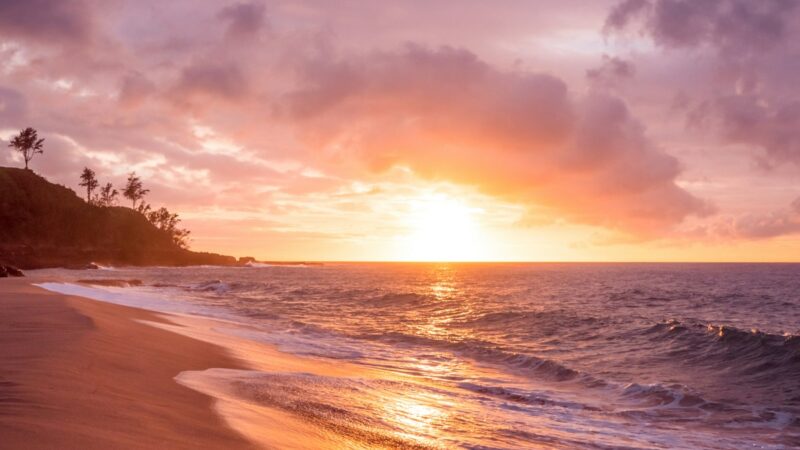
The honest trade-off is this: you give up calm swimming waters and full beach-shack service, but you gain empty beaches, dramatic skies, and hotel rates a fraction of peak season prices. For travellers prioritising atmosphere and budget over swimming conditions, that trade genuinely favours a monsoon visit.