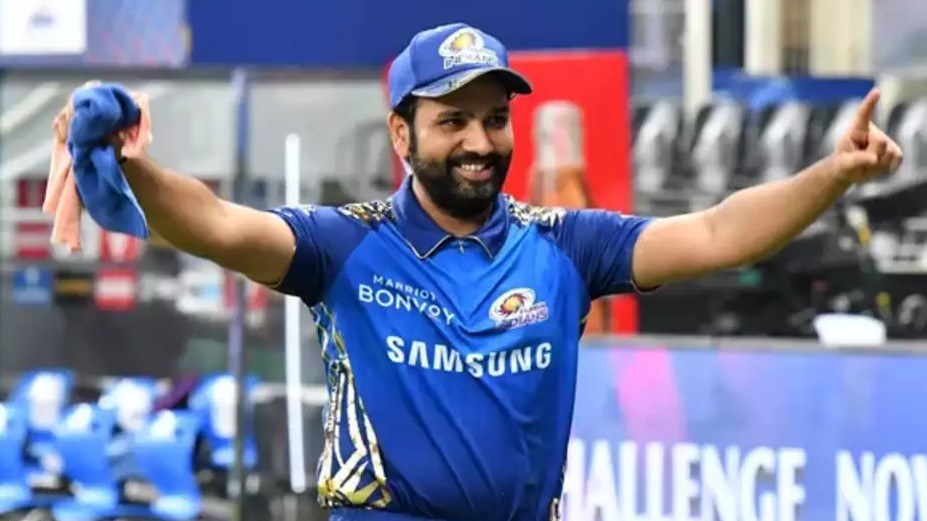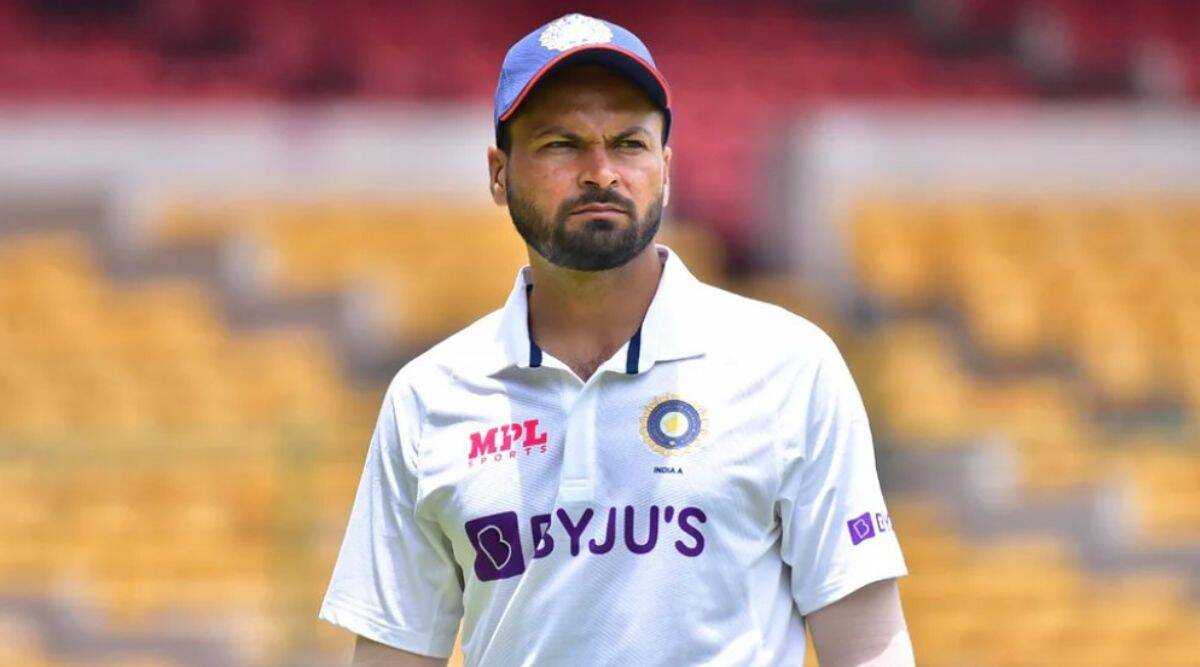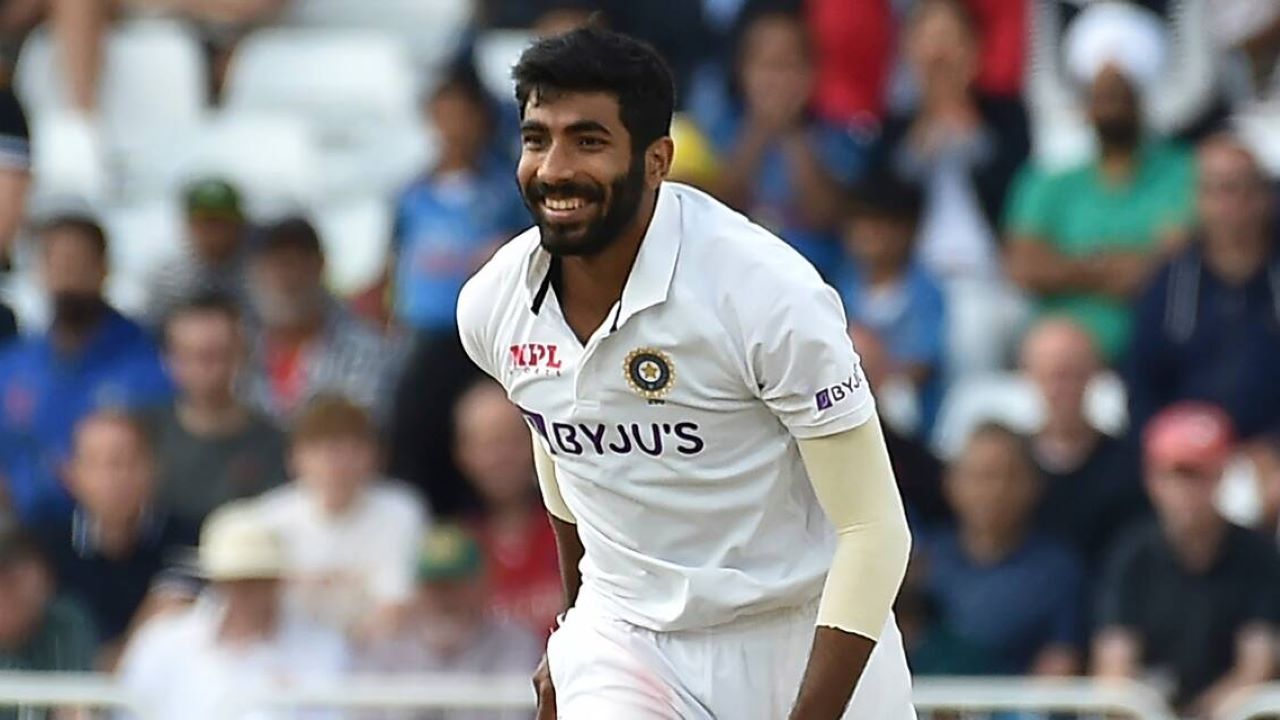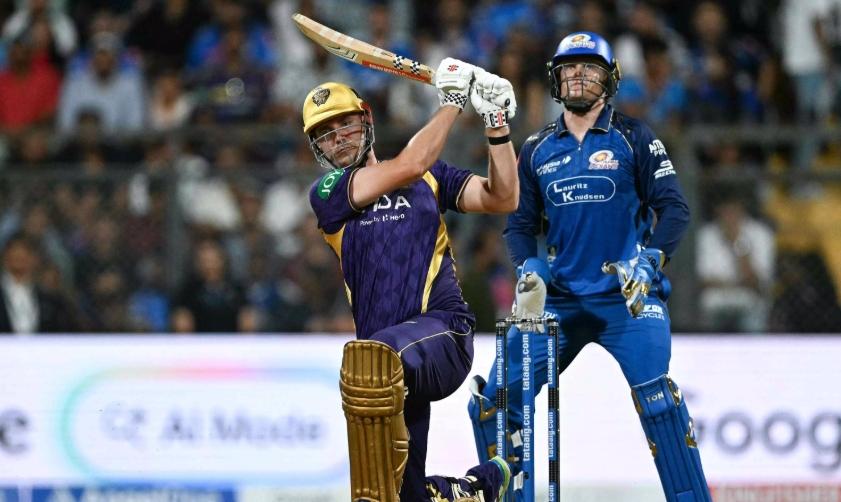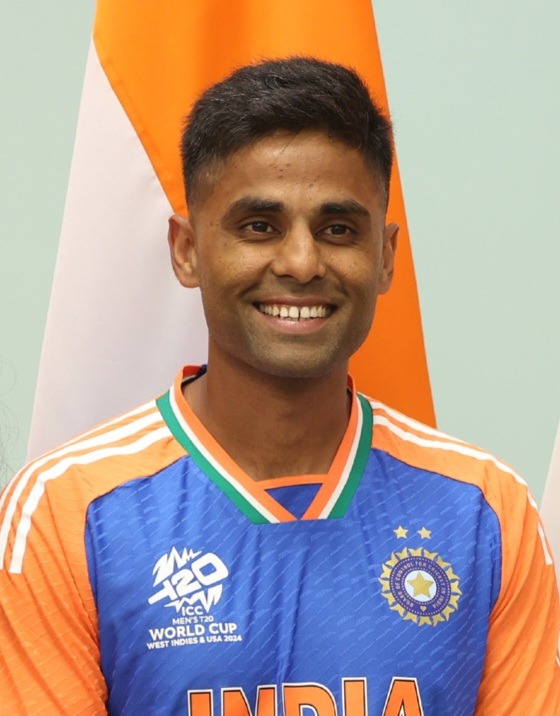












Every great cricket team eventually faces the question that success makes inevitable — when does the time come to begin transitioning from the generation that built the team’s current standing to the generation that will carry it forward? For India in 2026, that question has arrived in its sharpest and most publicly debated form around the batting order’s most influential position: who opens the innings across all three formats, and what does the answer reveal about how India’s cricket planners are thinking about the next World Cup cycle and beyond?
Rohit Sharma — The Record and the Reality
Rohit Sharma’s opening batting record for India is, by any objective measure, extraordinary. His conversion of 50-over cricket’s opening position into one of the most decorated in the format’s history — including the unique distinction of three individual World Cup centuries, a record that remains his alone — represents a standard that any incoming opener would be measured against for years after the transition occurs.
In Test cricket, Rohit’s transformation into an opener from his earlier middle-order role produced immediate and sustained success, with a series of significant centuries that confirmed his instinct for adapting his natural, sometimes extravagant attacking game to the specific demands of the five-day format’s first session. His ability to absorb quality new-ball bowling while simultaneously threatening to destroy it when the conditions allow has been one of Indian Test batting’s defining features since his conversion to the top of the order.
The honest assessment of his 2026 form must acknowledge what the statistics plainly show — that his numbers across all three formats have shown some decline from the peaks of his late thirties, a pattern consistent with even the finest batsmen’s trajectories in their mid-forties. This is not decline in any catastrophic sense, but the natural settling of a player’s output as physical reflexes and recovery time evolve, requiring adaptation rather than the same instinctive game that earlier seasons rewarded.
Shubman Gill — The Case Building Itself
Shubman Gill’s recent international form has done something that player potential rarely manages — it has made the abstract promise of genuine greatness feel concrete and imminent rather than theoretical. His century tally across formats has been building with a pace that places him among the most prolific young run scorers India has produced in at least a decade, and his technique has drawn specific praise from coaches and opponents for its rare combination of classical correctness and modern adaptability.
In particular, Gill’s ability to play spin bowling with minimal technical vulnerability — a specific challenge that several previous young Indian batsmen with otherwise excellent techniques have struggled to manage consistently at international level — has addressed what might have been a legitimate concern about his readiness for international cricket’s full range of conditions and challenges. His performances against quality spin in the subcontinent and against high-quality pace in South Africa and Australia have produced batting that looks genuinely complete rather than situationally dependent.
The Format-by-Format Analysis
Any honest assessment of who should open for India in 2026 requires treating the three formats as distinct questions rather than a single blanket decision, because the criteria for the ideal Test opening batsman differ meaningfully from those for the ideal T20 or ODI opener.
In Test cricket, the argument for continuity with Rohit remains strongest. His established technique against the moving ball, his experience managing testing match situations across different conditions globally, and the leadership dimension he provides at the top of the batting order argue for extending his career in the longest format for as long as his form justifies it — which, on current evidence, remains the case even if the peaks are slightly lower than his best years.
In ODI cricket, the transition argument gains more force. Gill’s explosive potential in the powerplay, combined with his ability to convert strong starts into the genuinely large scores that determine 50-over match outcomes, makes him an increasingly compelling case for the primary opening role in a format that rewards exactly the combination of skills his recent performances have demonstrated.
In T20 Internationals, the question of opening batting is less straightforward given India’s roster depth at the top of the order, but the general direction of travel — toward younger, more purely explosive batting at the top of the T20I order — points toward Gill’s more sustained involvement.
What the Selectors Are Navigating
India’s cricket selectors in 2026 are managing a transition that carries simultaneously sporting and psychological dimensions that purely statistical analysis cannot fully capture. Managing the farewell of genuinely great players — players whose contributions to Indian cricket’s success have been so significant that any perceived disrespect in the manner of their eventual exit carries real cultural consequences — requires a delicacy that the world’s cricketing bureaucracies have not always handled well historically.
The ideal outcome is a managed, gradual transition in which Rohit himself plays a role in shaping — identifying the right moments to step back from specific formats, acknowledging the reality of what the team needs going forward, and bringing his experience to bear in a mentoring capacity that extends his contribution beyond his active playing career. Whether that scenario materialises depends on factors beyond any selector’s direct control.
Conclusion
The Rohit Sharma versus Shubman Gill debate ultimately reflects something more profound than a simple selection argument between two talented cricketers — it is India’s most immediate and visible conversation about what the next chapter of their extraordinary cricketing success story looks like. In a cricket culture as passionate and demanding as India’s, this transition will be scrutinised at a level of intensity that few sporting decisions anywhere in the world receive. Both players deserve better than to have that conversation conducted primarily as a competition between them, rather than as the natural, respectful progression that their respective contributions have genuinely earned.
Why This Debate Isn’t Going Away Soon
Opening debates in Indian cricket rarely resolve cleanly, since form, format, and fitness all shift the calculation from series to series. What makes the Rohit-Gill question different is that it’s as much about succession planning as it is about current form, selectors are weighing not just who opens best today, but who should be building towards leading the batting order for years to come.