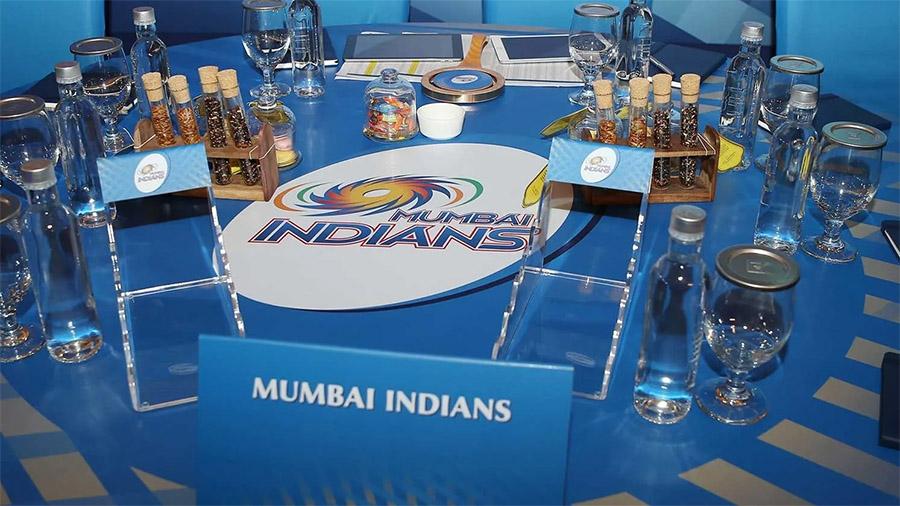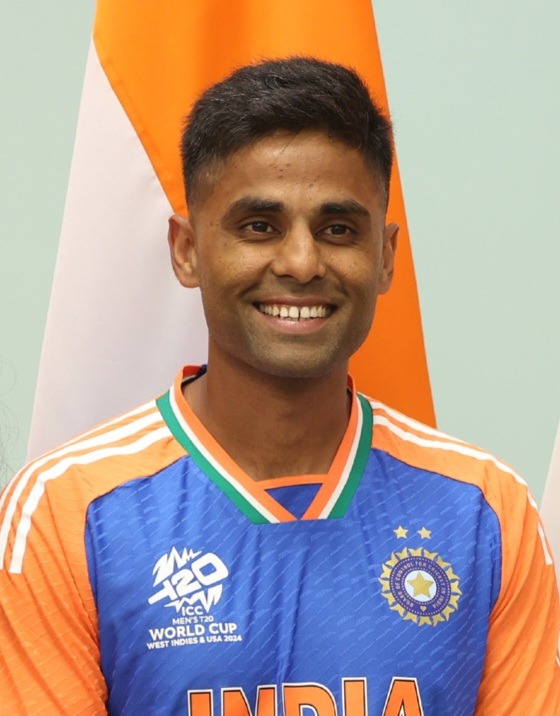















The IPL auction is unlike any other player recruitment event in world sport — a high-stakes, publicly conducted theatre of franchise ambition, player value assessment, and strategic calculation in which individual cricketers are assigned price tags by competitive bidding in real time, watched simultaneously by millions of fans who follow each hammer fall with the intensity of a stock market opening. The 2027 auction, while still over a year away as the 2026 season plays out, is already being shaped by the decisions franchises are making about retentions and the performances players are delivering that will determine their market value when the auction eventually arrives.
How the Auction Works — A Refresher
Before each IPL auction cycle, franchises decide which players from their existing squads they wish to retain, within limits set by the BCCI’s squad management regulations. Players not retained by their existing franchise enter the auction pool, where all ten franchises bid against each other in open competition, with the hammer falling to the highest bidder subject to each franchise’s remaining salary cap.
The drama is not purely about identifying who costs the most — though the record-breaking individual bids that generate the biggest headlines certainly attract attention — but about franchise strategies around building complete squads within their salary caps, making decisions about which player profiles to prioritise given their existing retained players, and occasionally deploying tactical bidding to either secure a target player or drive up the price a rival franchise must pay for them.
The All-Rounder Premium — Always the Biggest Bids
In every IPL auction cycle, the most reliable generator of extraordinary bids is the genuine all-rounder — a player capable of contributing substantively in both batting and bowling without being significantly below par in either discipline. The reason is straightforward: franchises are limited in squad size and budget, meaning a player who occupies one slot but delivers the equivalent of two players’ worth of cricket value provides efficiency that budget-constrained teams cannot afford to let go to a rival at any reasonable price.
Hardik Pandya’s multiple auction cycles have demonstrated this dynamic most clearly at the top end of the market, with his bids setting records precisely because of this dual-value calculation. In 2027, any player who credibly combines genuine fast-bowling ability with high-quality T20 batting at an international standard should expect to attract the auction’s highest competitive interest, regardless of nationality.
Express Pace — The Rarest Commodity
Consistently generating 145 kilometres per hour or faster with control is rarer in professional cricket in 2026 than at any previous point in the past two decades, as the global fast bowling talent pool has arguably not kept pace with the expansion of professional cricket’s demands across multiple formats. When a bowler of that pace enters an IPL auction pool, franchise scouts and team analysts converge on him with a ferocity that typically produces bidding outcomes considerably above pre-auction estimates.
Domestic T20 competitions globally — the Big Bash League, the SA20, the Caribbean Premier League, the Pakistan Super League — serve as the primary scouting grounds through which IPL franchises identify pace bowling talent that has not yet established itself at full international level. Several players currently performing in these competitions who are not yet widely known to Indian cricket audiences will be household names among IPL franchise analysts before the 2027 auction begins.
Indian Under-23 Talent — The Market’s Hidden Premium
One dimension of IPL auction dynamics that receives less public attention than overseas stars is the competition for high-quality young Indian batting talent — specifically players under 23 who have demonstrated T20 quality in domestic competition and whose development trajectory suggests likely international selection within the auction cycle’s duration.
The reason for this specific premium is both regulations-based — IPL squads must include a minimum number of uncapped Indian players — and strategically motivated, as franchises that identify and develop the next generation of Indian international stars before they become auction superstars build long-term squad depth at a fraction of the cost that retaining or re-signing them post-development would require. The franchise academies and development programmes that surround IPL teams in 2026 are as much about finding the players who will dominate the 2027 auction as they are about supporting the 2026 season.
Overseas Stars Most Likely to Break Records
Several international players currently at or approaching the peak of their T20 careers — including batsmen and bowling all-rounders from England, Australia, the West Indies, and South Africa — are likely to generate significant auction interest in 2027 if they become available through non-retention by their 2026 franchises. English players in particular have historically performed extremely well in IPL conditions, and several current England internationals who have demonstrated their T20 quality across recent franchise tournaments are on the radar of multiple IPL franchises for 2027.
The Wildcard Factor — Who Nobody Is Currently Watching
Perhaps the most genuinely interesting IPL auction prediction is always the player whose name, at the time of writing, is not yet widely discussed in mainstream cricket media. Every auction cycle produces at least one cricketer who emerges from relative obscurity — typically through a breakout domestic T20 season or a single extraordinary international performance — to attract franchise bids far exceeding any pre-auction projection.
The 2025-2026 domestic T20 seasons across India and major overseas competitions will produce these players, currently performing in front of modest crowds at domestic venues while franchise scouts quietly update their target lists with names that will become much more widely known when the 2027 auction takes place.
Conclusion
The IPL 2027 auction remains far enough away that confident specific predictions about which individuals will generate the biggest bids risk being overtaken by the injury, form, and availability developments that reshape auction markets across the intervening months. What can be predicted with confidence is the types of players who will command premium prices — genuine all-rounders, express pace bowlers, young Indian batting talent, and the occasional overseas wildcard whose domestic T20 performances have made him impossible for franchise management teams to ignore. The specific names attached to those descriptions will become clearer as the 2026 season and its aftermath provide the form data that shapes every IPL franchise’s thinking about what they need and what they can afford to pay to get it.
How Franchises Actually Set Their Auction Strategy
Big-name bids get the headlines, but the auctions that actually win titles are usually won in the mid-tier and uncapped player pools, where franchises fill specific tactical gaps at a fraction of the cost of a marquee signing. Teams with the most disciplined retention and purse-management strategy heading into auction day consistently outperform those chasing the biggest names on the board.