














In the high-stakes world of the Indian Premier League (IPL), perception can shift dramatically within a handful of matches. Cameron Green, one of the most expensive acquisitions in recent seasons, has found himself under scrutiny after a modest start. But judging a player of his caliber after just five games is not only premature—it overlooks the very nature of T20 cricket and the history of the tournament itself.
Green’s recent performances have sparked debate around his price tag, with critics quick to label him a “flop signing.” However, such reactions ignore both context and precedent. The IPL has consistently shown that elite players often require time to adapt, settle, and ultimately deliver. Cameron Green is no exception—and if history is any guide, he is far more likely to silence critics than justify their doubts.
The Price Tag Problem in IPL
The IPL auction has always been a double-edged sword. Big money brings big expectations, and those expectations often turn into pressure that can distort public perception. When a player like Cameron Green commands a hefty price, every innings and every over is scrutinized through the lens of “value for money.”
But cricket is not an instant-return investment. A player’s worth cannot—and should not—be measured over five matches. Form fluctuates, conditions vary, and roles within teams evolve. Even the best players in the world have endured lean patches, particularly in their early IPL seasons.
History Repeats: Legends Who Started Slow
Critics of Green would do well to revisit the journeys of some of the IPL’s greatest performers.
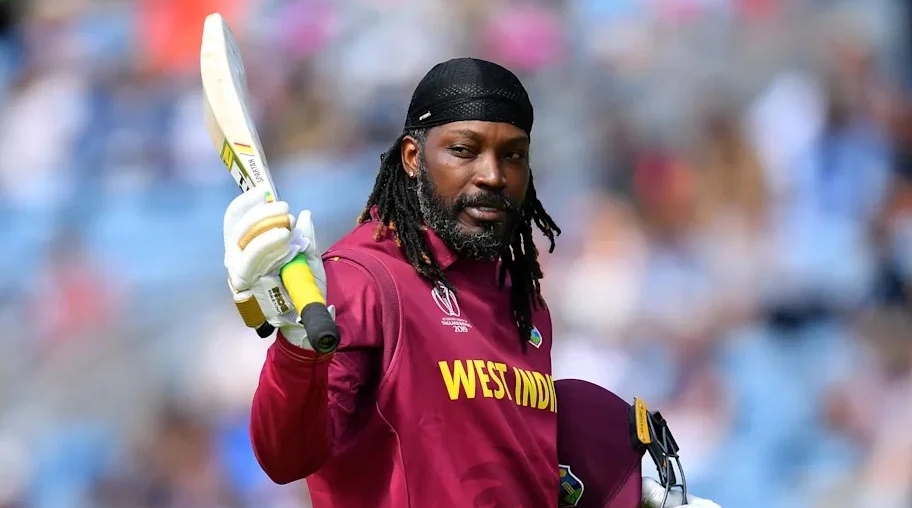
Chris Gayle, now synonymous with T20 dominance, struggled in few seasons of his IPL career before becoming one of the most destructive batters the format has ever seen. Chris Gayle’s IPL career, despite his status as a “Universe Boss” legend, faced notable dips, including being ignored in the 2011 auction after poor 2009-10 seasons and a lean phase in 2016–2017 with RCB. It wasn’t until he found the right role and environment at Royal Challengers Bangalore that he exploded into life, rewriting record books.
David Warner is another prime example. Before becoming one of the most consistent performers in IPL history and leading Sunrisers Hyderabad to a title, Warner had phases where he failed to justify expectations. Yet, with time and backing, he transformed into a franchise cornerstone.
Even players like Glenn Maxwell and Andre Russell—now considered match-winners—had seasons where they failed to live up to their price tags before eventually becoming indispensable.
The lesson is simple: elite T20 players are not defined by a handful of matches but by sustained impact over multiple seasons.
Cameron Green: A Rare Modern All-Rounder
What makes Cameron Green particularly valuable is his unique skill set. In an era where genuine all-rounders are increasingly rare, Green offers a combination that few players can match.
Standing tall both literally and figuratively, Green brings:
- Top-order batting capability with power and technique
- Seam bowling that provides crucial balance to the team
- Athletic fielding that adds intensity on the field
This versatility is precisely why franchises are willing to invest heavily in him. Players who can influence the game in multiple disciplines are long-term assets, not short-term gambles.
The Adaptation Curve Is Real
Transitioning into the IPL is not straightforward, even for international stars. The tournament’s intensity, travel schedule, pitch diversity, and tactical complexity require adjustment.
Green is still relatively young in T20 terms and continues to refine his role within the team. Whether he is batting at the top, in the middle order, or contributing with the ball in specific phases, clarity and continuity will take time to establish.
Five matches are simply not enough to judge whether that process has succeeded or failed.
Teams Win Over Time—Not Overnight
Another key factor often overlooked in criticism is that IPL success is cyclical. No team dominates every season, and no player performs at peak level year after year without dips.
Even championship-winning squads undergo rebuilding phases. Players who may struggle in one season often return stronger in the next, armed with experience and better understanding of conditions.
Expecting immediate dominance every year—from both players and teams—is unrealistic.
Why Green Is a Long-Term Investment
Franchises don’t invest in players like Cameron Green for short bursts—they invest in potential, longevity, and match-winning ability over multiple seasons.
Green has already shown glimpses of his capabilities in international cricket and previous T20 outings. His ability to accelerate innings, contribute with the ball, and adapt across formats makes him a high-ceiling player.
If given a consistent role and backing, he has all the tools to:
- Become a dependable top-order aggressor
- Deliver crucial overs in pressure situations
- Turn matches with both bat and ball
These are qualities that don’t disappear—they evolve.
The Importance of Backing and Stability
One of the defining factors behind successful IPL careers is trust from the franchise. Players who are backed through difficult phases often repay that faith with standout performances.
Green’s journey will depend heavily on how he is managed:
- Clear role definition
- Consistent opportunities
- Confidence from team management
History shows that when franchises persist with high-potential players, the results eventually follow.
Looking Ahead: A Matter of Time
It is far too early to write Cameron Green off. In fact, doing so ignores everything the IPL has taught us over the years.
Players like Gayle and Warner didn’t just recover from slow starts—they became legends of the league. There is every reason to believe Green can follow a similar trajectory.
Given two to three seasons, Green is likely to:
- Adapt fully to IPL conditions
- Refine his role within the team
- Deliver performances that justify—and even exceed—his price tag
Conclusion: Patience Over Panic
Criticism is part of professional sport, especially in a tournament as visible as the IPL. But reactionary judgments after a handful of games rarely stand the test of time.
Cameron Green is not just another player—he is one of the most promising all-rounders in world cricket today. His value extends beyond immediate returns, and his potential is far from fully realized.
Instead of questioning his worth after five matches, the focus should be on what he can become over multiple seasons. If history is any guide, patience will turn today’s criticism into tomorrow’s applause.