














The Dawn of a New Climate Era
The sun rises over a wind farm in northern Europe, its turbines slicing through the morning mist like quiet sentinels of change. Thousands of miles away, engineers in a desert laboratory fine-tune machines that pull carbon directly from the air. Beneath the ocean’s surface, experimental systems nurture coral reefs back to life. These are not isolated efforts—they are part of a rapidly accelerating global movement defined by one powerful idea: climate innovation.
In the past decade, climate change has shifted from a distant scientific warning to an immediate economic, political, and human reality. Record-breaking heatwaves, rising sea levels, and increasingly volatile weather patterns have transformed the conversation. Yet amid the urgency, a profound transformation is underway. Climate innovation is no longer confined to research labs or environmental activism; it has become a central pillar of global economic strategy.
What makes this moment unique is not just the scale of the challenge, but the speed and sophistication of the response. From breakthrough technologies to novel financial systems, climate innovation is redefining how humanity interacts with the planet.
Reinventing Energy: The Backbone of Climate Innovation

6
At the heart of climate innovation lies energy—the single largest contributor to global greenhouse gas emissions. For over a century, fossil fuels powered industrial growth. Today, they are being systematically replaced by cleaner, smarter alternatives.
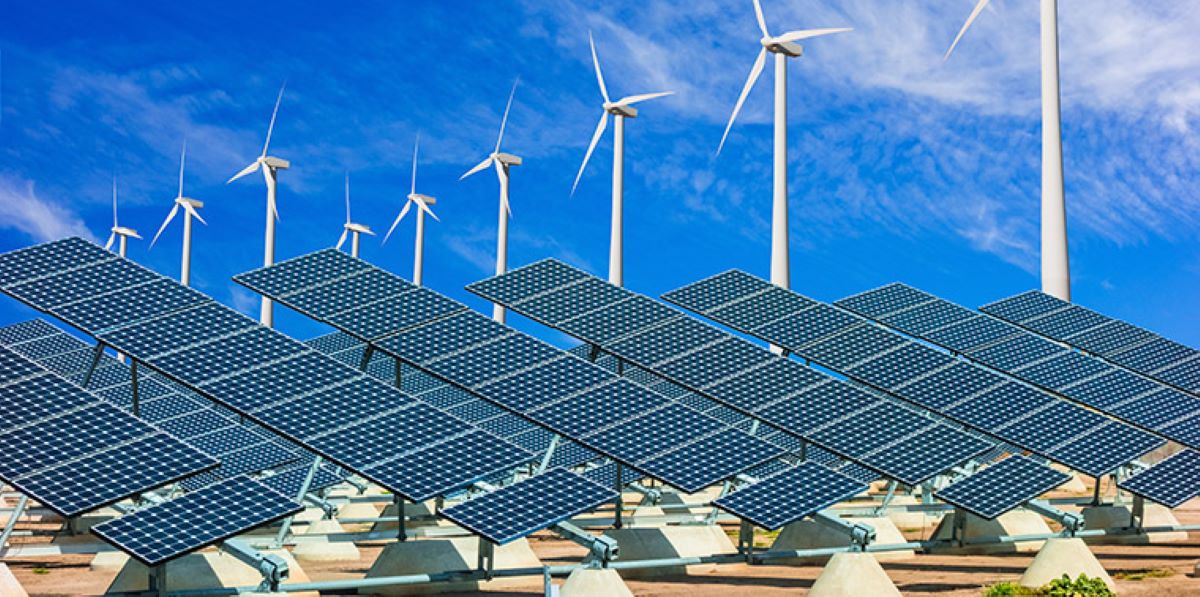
Solar and wind energy have reached a tipping point. Once considered expensive and inefficient, they are now among the cheapest sources of electricity in many parts of the world. Massive solar farms stretch across deserts, while offshore wind turbines harness powerful ocean currents. But the real innovation lies beyond generation.
Energy storage has emerged as a critical frontier. Advanced battery systems, including lithium-ion successors and solid-state technologies, are solving the intermittency problem that once plagued renewables. Meanwhile, green hydrogen—produced using renewable electricity—offers a promising solution for industries that are difficult to electrify, such as steel and aviation.
This transformation is not merely technological; it is structural. Power grids are evolving into decentralized, intelligent networks capable of balancing supply and demand in real time. Homes are becoming micro power stations, equipped with solar panels, batteries, and smart systems that optimize energy use.
Climate innovation, in this context, is not just about cleaner energy—it is about redesigning the entire energy ecosystem.
Carbon Capture: Engineering the Atmosphere

8
Even with aggressive emissions reductions, the world faces a sobering reality: there is already too much carbon dioxide in the atmosphere. This has given rise to one of the most ambitious domains of climate innovation—carbon capture.
Direct air capture (DAC) technologies aim to extract CO₂ directly from the atmosphere. These systems, often resembling giant fans or modular towers, chemically bind carbon molecules and store them underground or repurpose them for industrial use. Though still costly, rapid advancements are driving prices down and scalability up.
Equally important is carbon capture at the source. Industrial facilities are integrating capture systems that prevent emissions before they enter the atmosphere. Cement plants, steel mills, and power stations—historically among the largest polluters—are becoming testing grounds for these innovations.
Yet carbon capture is not without controversy. Critics argue that it risks prolonging reliance on fossil fuels. Proponents counter that it is an essential tool in a broader climate strategy. The truth likely lies somewhere in between: carbon capture is not a silver bullet, but it is an indispensable component of a multifaceted solution.
Climate Innovation in Cities: Building the Future of Urban Life

7
More than half of the world’s population now lives in cities—a figure expected to rise significantly in the coming decades. Urban areas are responsible for a substantial share of global emissions, making them critical arenas for climate innovation.
The cities of the future are being designed with sustainability at their core. Green buildings incorporate energy-efficient materials, natural ventilation, and integrated renewable systems. Rooftop gardens and vertical forests are transforming urban landscapes, improving air quality while reducing heat.
Transportation is undergoing a parallel revolution. Electric vehicles, once niche, are becoming mainstream, supported by expanding charging infrastructure. Public transit systems are shifting toward electrification and automation, reducing both emissions and congestion.
Perhaps most importantly, cities are investing in resilience. Climate innovation is not just about mitigation—it is about adaptation. Flood barriers, heat-resistant infrastructure, and advanced water management systems are helping urban centers withstand the impacts of a changing climate.
In this sense, cities are evolving into living laboratories, where policy, technology, and human behavior intersect to create scalable solutions.
The Rise of Climate Tech Startups and Green Finance
Behind the technological breakthroughs lies a powerful economic engine. Climate innovation has become one of the most dynamic sectors in global finance, attracting billions of dollars in investment each year.
Startups are at the forefront of this movement. Agile, experimental, and often mission-driven, these companies are tackling challenges ranging from sustainable agriculture to carbon-neutral manufacturing. Venture capital is flowing into climate tech at unprecedented levels, signaling a shift in how investors perceive environmental solutions—not as costs, but as opportunities.
Green finance is amplifying this momentum. Instruments such as green bonds, carbon credits, and sustainability-linked loans are reshaping capital markets. Governments and institutions are aligning financial incentives with environmental goals, creating a feedback loop that accelerates innovation.
This convergence of technology and finance is perhaps the most transformative aspect of climate innovation. It suggests that solving the climate crisis is not just an environmental imperative—it is an economic one.
Nature Meets Technology: Hybrid Solutions for a Complex Problem

6
While much of climate innovation focuses on advanced technology, some of the most powerful solutions are rooted in nature itself. The emerging field of “nature-based solutions” combines ecological restoration with technological precision.
Reforestation efforts, for example, are being enhanced by drones that can plant thousands of trees in a single day. Satellite monitoring ensures that these forests are healthy and resilient. Similarly, coastal ecosystems such as mangroves and wetlands are being restored to act as natural buffers against storms and rising seas.
Agriculture, too, is undergoing a transformation. Precision farming uses data, sensors, and AI to optimize water use, reduce chemical inputs, and increase yields. This not only lowers emissions but also strengthens food security in a changing climate.
These hybrid approaches highlight a crucial insight: climate innovation is not about choosing between technology and nature, but about integrating the two in ways that amplify their strengths.
The Road Ahead: Challenges and Opportunities
Despite the remarkable progress, significant challenges remain. Scaling climate innovation requires coordination across governments, industries, and societies. Infrastructure must be built, regulations must evolve, and public acceptance must be cultivated.
Equity is another critical issue. The benefits of climate innovation must be distributed fairly, ensuring that developing nations are not left behind. Technology transfer, international cooperation, and inclusive policies will play a vital role in achieving this balance.
There is also the question of speed. The window to limit global warming is narrowing, and innovation must keep pace with the urgency of the crisis. This demands not only technological breakthroughs but also systemic change.
A Defining Moment for Humanity
Climate innovation represents more than a collection of technologies—it is a reimagining of humanity’s relationship with the Earth. It challenges long-standing assumptions about growth, consumption, and progress.
History will likely remember this era as a turning point. The choices made today—by policymakers, businesses, and individuals—will shape the trajectory of the planet for generations to come.
Yet there is reason for cautious optimism. The same ingenuity that fueled industrialization is now being redirected toward sustainability. The tools are emerging, the investments are growing, and the momentum is undeniable.
In the quiet hum of a wind turbine, the glow of a solar panel, and the algorithms optimizing energy flows, a new story is being written—one where climate innovation is not just a response to crisis, but a blueprint for a more resilient, equitable, and sustainable world.