














There are sporting events, and then there are cultural phenomena. The Indian Premier League belongs firmly in the latter category. For nearly two decades, it has redefined cricket—compressing tradition, entertainment, business, and global fandom into a two-month spectacle.
But what if the IPL could evolve into something even bigger—more inclusive, more global, more balanced, and exponentially more powerful?
Welcome to the vision of IPL 2.0:
A 14-team league, played over a 60-day window, featuring 91 matches, a carefully engineered mix of 31 double-header days, and a bold step forward with 5 overseas players per playing XI.
This is not expansion for the sake of scale. This is precision-engineered growth.
🌍 A League That Mirrors a Nation’s Scale
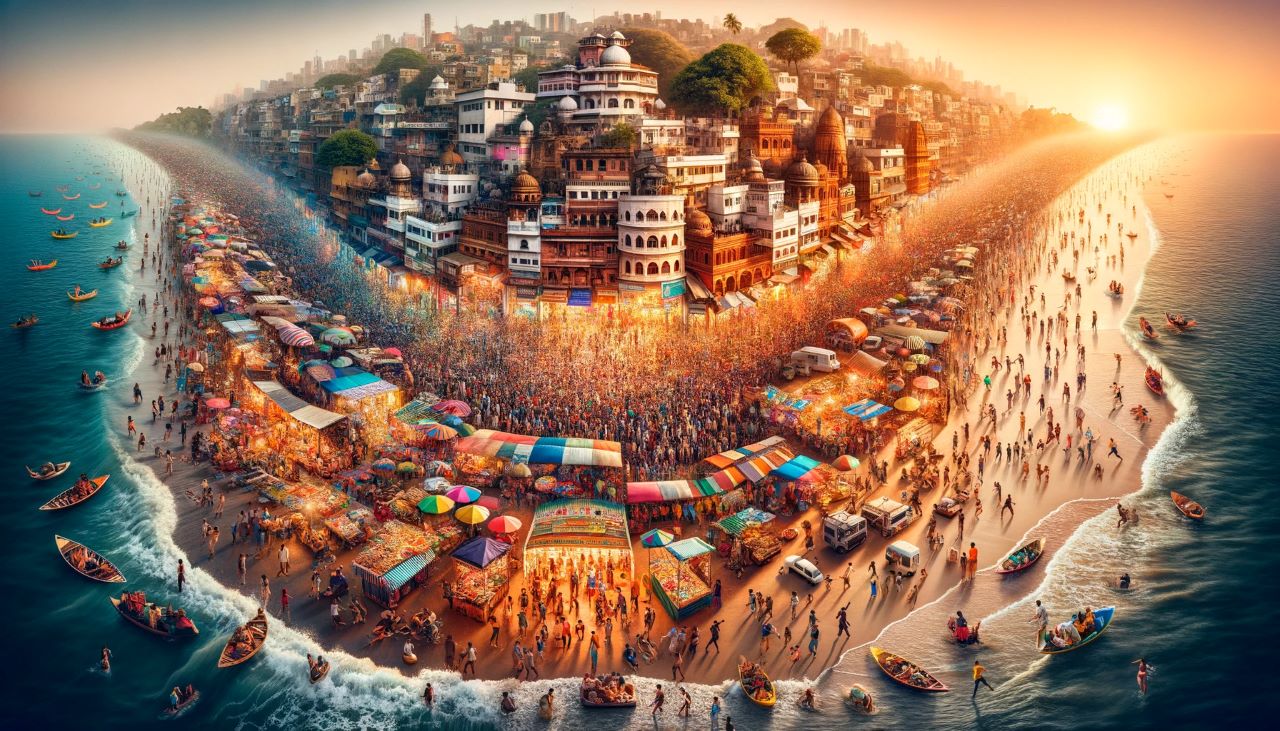
India is not a single market—it is a continent-sized ecosystem of cultures, languages, and passions. Expanding IPL to 14 teams allows the league to finally reflect that scale.
Imagine new franchises emerging from cities that have long lived on the periphery of cricket’s biggest stage. Cities where stadiums fill not just with fans, but with identity, pride, and aspiration.
As highlighted in global sports business platforms like SportBusiness and Forbes SportsMoney, regional expansion is often the single biggest catalyst for league valuation growth. IPL’s move to 14 teams aligns perfectly with this global trend.
Under the stewardship of the Board of Control for Cricket in India, this expansion becomes more than a sporting decision—it becomes a national integration strategy through sport.
📊 The Mathematics of Perfection
At its core, IPL 2.0 is built on elegant simplicity:
- 14 teams
- Each team plays every other team once
- Total = 91 matches
Now, placed within a 60-day window, the structure unfolds beautifully:
- 31 days with 2 matches (double-headers)
- 29 days with 1 match
This creates a rhythm that global analysts at platforms like The Economist would describe as “optimized scheduling equilibrium”—a balance between intensity and sustainability.
No overcrowding. No fatigue-driven decline in quality. Just a consistent, high-energy flow of cricket.
🔥 The Theatre of Daily Cricket


For fans, IPL has always been more than a tournament—it is a daily ritual.
With 31 double-header days, IPL 2.0 transforms entire days into immersive cricket festivals:
- Afternoon matches build momentum
- Evening matches deliver prime-time drama
On other days, a single match becomes a spotlight event, commanding full attention.
Streaming platforms like Disney+ Hotstar (or its successors) and broadcast giants thrive on this model. As noted in Financial Times media analyses, “consistent daily engagement drives exponential subscription retention.”
IPL 2.0 doesn’t just capture attention—it owns the calendar.
💰 The Economics of Expansion
From a business perspective, this model is nothing short of revolutionary.
📺 Broadcasting Power
- 91 matches = expanded inventory
- Double-headers = dual prime-time monetization
- Continuous schedule = zero drop-off in engagement
🤝 Sponsorship Multiplier
- 4 new teams = 4 new ecosystems of sponsors
- Regional brands gain national visibility
- Player endorsements scale dramatically
📱 Digital Flywheel
- Fantasy sports platforms see increased activity
- Social media narratives never pause
- Micro-content (clips, highlights, analytics) explodes
Global consulting firms like Deloitte Sports Business Group have repeatedly emphasized that frequency + consistency = revenue dominance. IPL 2.0 embodies this principle perfectly.
🌐 The Globalization of IPL


The increase to 5 overseas players per XI is a subtle but defining shift.
It transforms IPL from:
👉 A domestic league with international stars
Into:
👉 A truly global league with Indian dominance at its core
This change brings:
- More top-tier global talent on the field simultaneously
- Greater stylistic diversity in gameplay
- Increased international viewership
Publications like ESPNcricinfo and Wisden have long discussed IPL’s global pull—but this move elevates it to a league that feels closer to the English Premier League model of football, where global talent defines the product.
🧠 Player Welfare: The Silent Revolution
One of the most intelligent aspects of this model is its respect for players.
With:
- A 60-day spread
- Alternating match schedules
- Built-in rest gaps
Players are no longer pushed into relentless back-to-back games.
The Outcome:
- Higher intensity per match
- Reduced injury rates
- Better career longevity
Sports science journals and high-performance units globally agree—rest is not a luxury, it is a performance multiplier.
IPL 2.0 integrates this principle seamlessly.
🇮🇳 A Talent Explosion Waiting to Happen
Expanding to 14 teams dramatically increases opportunities for Indian cricketers.
Young players from domestic circuits—Ranji Trophy, Syed Mushtaq Ali Trophy—suddenly find more doors opening.
This leads to:
- A broader talent pool
- Faster identification of future stars
- Stronger national team depth
As often highlighted by The Hindu Sportstar, IPL has already been India’s greatest talent accelerator. With expansion, it becomes an unmatched talent factory.
🏟️ Cities, Culture, and Cricket


Each new franchise is not just a team—it is an ecosystem.
- Stadium upgrades
- Hospitality sector growth
- Tourism spikes during matches
Cities hosting IPL matches transform into economic hotspots.
Urban development analysts often cite mega-sporting events as catalysts for infrastructure growth. IPL’s expansion turns multiple Indian cities into recurring economic engines every year.
⚖️ Pure Competition, No Complexity
In an era where leagues experiment with complicated group systems, IPL 2.0 returns to clarity:
- Every team plays every other team
- Equal opportunity
- Transparent standings
Fans understand the format instantly. Teams know exactly what’s required.
It’s competitive integrity at its finest.
🎯 The Perfect 60-Day Window
Timing is everything.
At 60 days, IPL 2.0 achieves the rare balance of:
- Depth without fatigue
- Scale without dilution
- Intensity without burnout
It remains long enough to build narratives, rivalries, and storylines—yet compact enough to retain urgency.
Media analysts at platforms like Bloomberg Sports often describe this as the “golden window” for sports leagues.
🏁 The Future Is Already Designed
IPL 2.0 is not a distant possibility—it is a logical next step.
A structure where:
- 14 teams expand reach
- 91 matches maximize value
- 60 days optimize engagement
- 31 double-headers amplify excitement
- 5 overseas players globalize appeal
Together, they create something far beyond a cricket tournament.
They create a self-sustaining, globally dominant sports ecosystem.
🌟 Final Word
The Indian Premier League has always been ahead of its time. But this evolution positions it not just as the leader of cricket—but as one of the most powerful sporting leagues in the world.
Not just watched.
Not just followed.
👉 But experienced, lived, and celebrated—every single day for 60 days.