













India’s creator economy has grown into a genuine career path, not just a side hustle, but the actual numbers involved are less glamorous and far more variable than most people assume. Here’s what Indian YouTubers and Instagram creators are actually earning in 2026, broken down by platform and creator tier.

How YouTube Ad Revenue Actually Works
YouTube pays creators through its Partner Program, which requires at least 1,000 subscribers and 4,000 watch hours over the past year (or 10 million Shorts views in 90 days) to qualify. Once accepted, YouTube keeps 45% of ad revenue and pays creators the remaining 55%. In India, CPM, the amount advertisers pay per 1,000 ad impressions, typically ranges from roughly ₹25 to ₹300, but RPM, what a creator actually receives per 1,000 views after YouTube’s cut, usually lands between ₹15 and ₹200. In practical terms, a channel might earn somewhere between ₹2,000 and ₹20,000 for 100,000 views, depending heavily on niche.
Why Niche Changes Everything
A finance or tech channel that attracts advertisers like brokerages and banks commands dramatically higher CPMs than a comedy or entertainment channel targeted by lower-paying FMCG advertisers. This gap is large enough that two creators with identical view counts in different niches can end up with wildly different ad revenue, which is part of why so many creators eventually specialise rather than staying broad.

Instagram Brand Deal Rate Cards by Tier
Unlike YouTube’s relatively standardised ad revenue split, Instagram earnings come almost entirely from brand deals, and rates vary enormously by follower tier. Nano-influencers, roughly under 10,000 followers, might earn ₹500 to ₹8,000 per sponsored post, or receive gifted products instead of cash. Micro-influencers in the 10,000 to 50,000 range typically see ₹8,000 to ₹40,000 per post. Mid-tier creators with 50,000 to 500,000 followers can command ₹40,000 to over ₹1 lakh, while creators above a million followers often charge ₹1 lakh to ₹4 lakh or more per post, with celebrity-tier influencers pushing well past ₹7 lakh for a single collaboration.
Real Examples at the Top
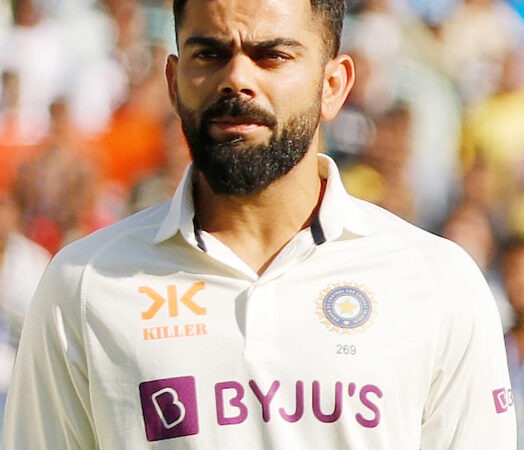
Some of India’s best-known digital creators illustrate just how far this can scale. Bhuvan Bam, creator of the BB Ki Vines channel, has built an estimated net worth well over ₹100 crore through a mix of YouTube monetisation, OTT projects, and brand endorsements. CarryMinati, known for gaming and commentary content, has been reported at a similarly high net worth, built through YouTube ad revenue, Super Chats, music releases, and sponsorships. Even athletes with major Instagram followings, like Virat Kohli, reportedly command several crore rupees for a single sponsored post, a figure that puts him among the highest-paid Instagram accounts in the country regardless of platform-native creator status.
Instagram Reels Bonus Programs Have Faded
Earlier direct payment programs from Instagram for Reels performance have largely wound down or shrunk significantly, pushing most Indian creators back toward brand deals and affiliate income as their primary revenue source rather than relying on platform payouts alone. This shift has made a strong media kit, and real audience engagement data rather than just a follower count, increasingly essential for landing consistent work.
Affiliate Marketing Is Growing Fast
Commission-based partnerships, where creators earn a percentage of tracked sales through a personal link or discount code, have become one of the fastest-growing income sources for Indian creators, particularly in beauty, fashion, and personal finance niches where audiences are already primed to act on recommendations.
What Actually Determines Pay
Follower count alone is an increasingly unreliable predictor of earnings. Brands in 2026 are paying far more attention to engagement rate, average Reel or video views, audience demographics, and past campaign results than raw follower numbers, since inflated or inactive follower counts have made pure follower-based pricing unreliable for measuring actual reach.
The Honest Picture
For every Bhuvan Bam or CarryMinati, there are thousands of Indian creators earning modest, inconsistent income from a mix of small brand deals and platform payouts. A sustainable creator career in India increasingly depends on the same principles as anywhere else: a clear niche, diversified income streams, and genuine audience trust rather than just follower count.
Multi-Channel Networks and Talent Management
As the Indian creator economy has matured, multi-channel networks and talent management agencies have become a bigger part of how mid-tier and larger creators land brand deals, handling negotiation, contracts, and campaign logistics in exchange for a percentage cut, typically somewhere between 10 and 30 percent depending on the services included. For creators without the time or negotiating experience to chase brand deals directly, this cut is often worth it for the volume and quality of deals an agency can secure.
Instagram vs YouTube: Which Actually Pays Better
There’s no single answer, the two platforms reward very different content strategies. YouTube’s ad revenue model rewards long-form, rewatchable content and can generate passive income long after a video is published, while Instagram’s brand-deal-driven model rewards consistent posting and requires actively chasing new sponsorship opportunities. Many established Indian creators run both simultaneously specifically because the two platforms’ income models complement each other, smoothing out the inconsistency either one has on its own.
Getting Started as a Creator in India Today
For anyone starting out now, the landscape looks meaningfully different than it did even a few years ago, competition is far higher, but so is brand budget flowing into the space. A clearly defined niche and consistent, high-quality content in that niche tends to matter more for early brand deal opportunities than raw follower count, particularly since brands have gotten better at evaluating genuine engagement over vanity metrics.
For the global picture on how influencer income breaks down beyond India specifically, see our companion piece linked below.
Tier-2 and Tier-3 Cities Are Changing the Map
One of the more significant shifts in India’s creator economy has been the rise of nano and micro creators from smaller cities, who often see stronger engagement rates than their metro counterparts despite far smaller followings, since their content tends to feel more authentic and locally relevant to their audience. Brands targeting regional or Tier-2 and Tier-3 markets have increasingly recognised this, making location a more meaningful factor in campaign planning than it used to be.
Language and Regional Content Are Paying Off
Creators publishing in Hindi, Tamil, Telugu, Bengali, and other regional languages have increasingly found brand demand that rivals or exceeds English-language content, particularly for FMCG, mobile app, and financial services categories trying to reach audiences beyond India’s English-speaking metro population. This shift has opened up a genuinely large earning opportunity for creators who might have previously assumed English content was the only path to serious brand budgets.